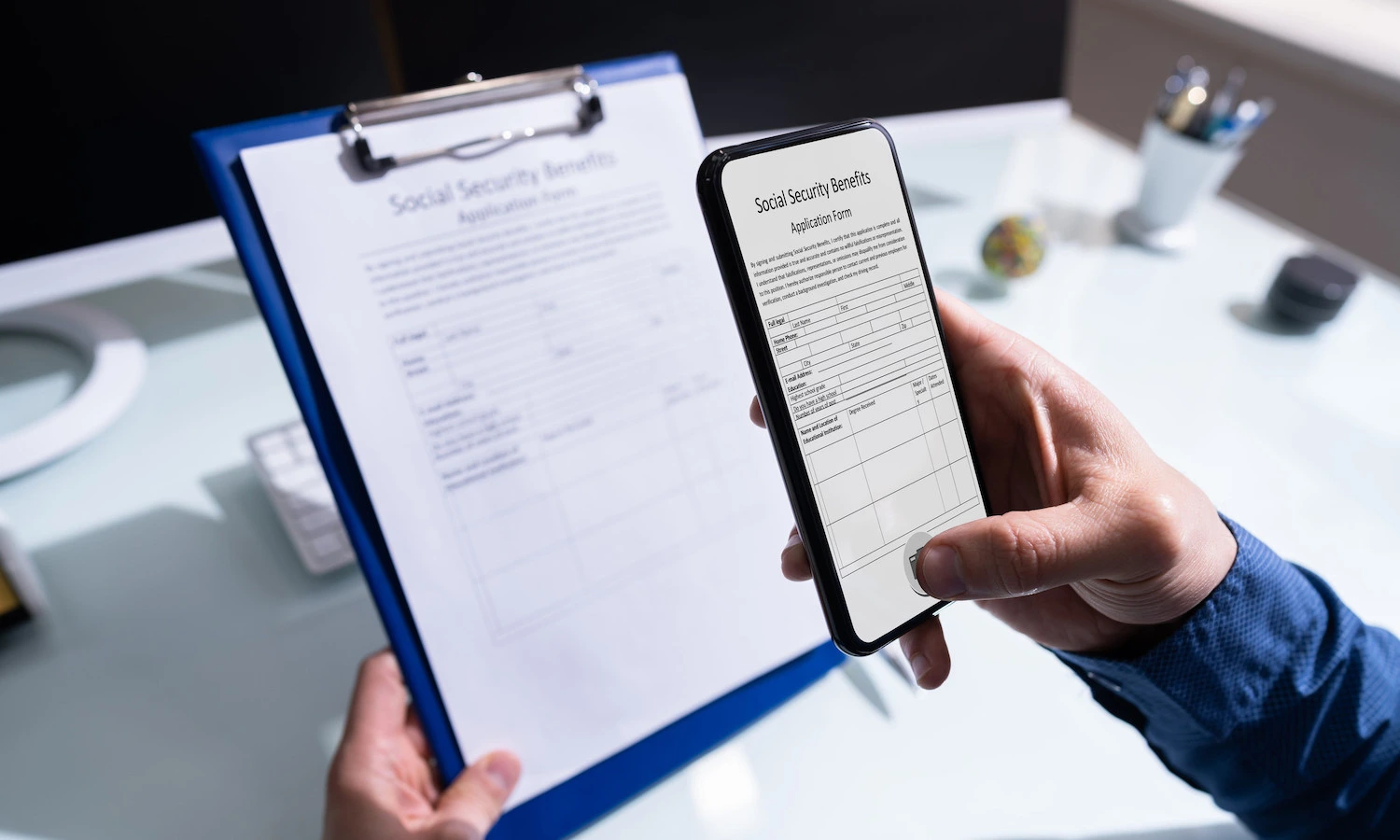
When you apply for Social Security disability benefits, the strength of your claim comes down to the evidence you provide. The Social Security Administration (SSA) doesn’t just take your word for it—they carefully review medical records, work history, and other documentation to determine whether you qualify. Understanding what decision-makers are looking for can help you present a more complete and compelling claim. Here’s what you need to know about the types of evidence that matter most.
Social Security divides evidence into two categories: “acceptable medical sources” ; and “other sources.” “Other sources” includes medical sources that don’t make the SSA’s “acceptable” list, but also includes other types of evidence.
Under Social Security regulations, “acceptable medical sources” are:
This division between evidence categories is important, because approval of your SSDI application depends in large part on demonstrating that you meet medical criteria.
Under Social Security regulations, “other sources” include:
Note that while these sources of information are not “accepted medical sources,” the information they provide is accepted as evidence and considered by the SSA in making your disability determination.
Assuming you meet all technical requirements, such as having sufficient work credits to be eligible for SSDI benefits, the SSA will be looking for evidence to show that you meet their definition of disabled. There are two different ways to do that.
The first is to meet or equal a listing in the Social Security Blue Book. The Blue Book lists a wide range of medical conditions in several different categories, along with specific criteria to be considered disabled by each condition. To demonstrate that you meet the listing criteria, you will need evidence from acceptable medical sources. That evidence may include your doctor’s progress notes, treatment records, measurements, test results and more.
If you don’t meet or equal a listing or if your disability results from a combination of conditions rather than one serious condition, the alternative is a multi-step process to determine whether there is work you are able to do despite your medical condition. This process considers both medical documentation and other factors, such as your educational level, what types of work you have done in the past and how old you are.
It’s up to you to provide sufficient documentation to establish that you meet the SSA’s definition of disabled. But, you don’t have to do that alone. Our experienced lawyers for Social Security disability can help you assemble the evidence you need.
The information provided by medical sources that don’t fall into the first category and non-medical sources can help the decision-maker at the SSA understand better how your medical condition impacts your ability to navigate life and how that might translate to the workplace. For example, a psychiatrist may diagnose you with post-traumatic stress disorder (PTSD). The SSA will require that diagnosis and other evidence from your medical provider.
But your family, caretakers, and others you interact with in day to day life are more likely to be able to answer questions about things like the challenges you face in everyday life, how frequently you face those challenges, what types of circumstances or events trigger your symptoms, and more. The questionnaire a friend or family member is asked to complete covers everything from your living situation to how you spend your days to what tasks or activities you require assistance with. Often–particularly with a mental health condition or when you are disabled by a combination of symptoms from different conditions–establishing your claim requires a mix of medical and non-medical evidence.
Even with a general understanding of the type of evidence the SSA is looking for and how they use it, it can be difficult to know exactly what you need to submit to get your disability claim approved. In part, that’s because the answer may be very different depending on the type of disability you have. Unfortunately, leaving out a necessary piece of evidence can delay your claim, or even result in a denial. The best way to ensure that your SSDI application is as strong and well-supported as it can be is to work with an experienced Social Security disability lawyer from the beginning.
Most disability claims are initially denied. However, many of those applications are approved at some point in the appeals process. So, if you’ve received a denial notice, you shouldn’t give up. Often, supplementing your evidence on reconsideration or presenting additional information or witnesses at your ALJ hearing can turn the tide.
You also shouldn’t delay. If you miss your appeal deadline and have to start your case over, you may lose out on back benefits. You’ll also likely have to wait longer to win your approval and start receiving benefits. You should consult one of our experienced Social Security lawyers as soon as you receive your denial.
Ready to take the next step toward securing the disability benefits you deserve? Give yourself the advantage of a knowledgeable advocate and guide. Harrell & Harrell is on your side. Call to schedule a free consultation with one of our Social Security attorneys at one of our Jacksonville offices.



























"*" indicates required fields